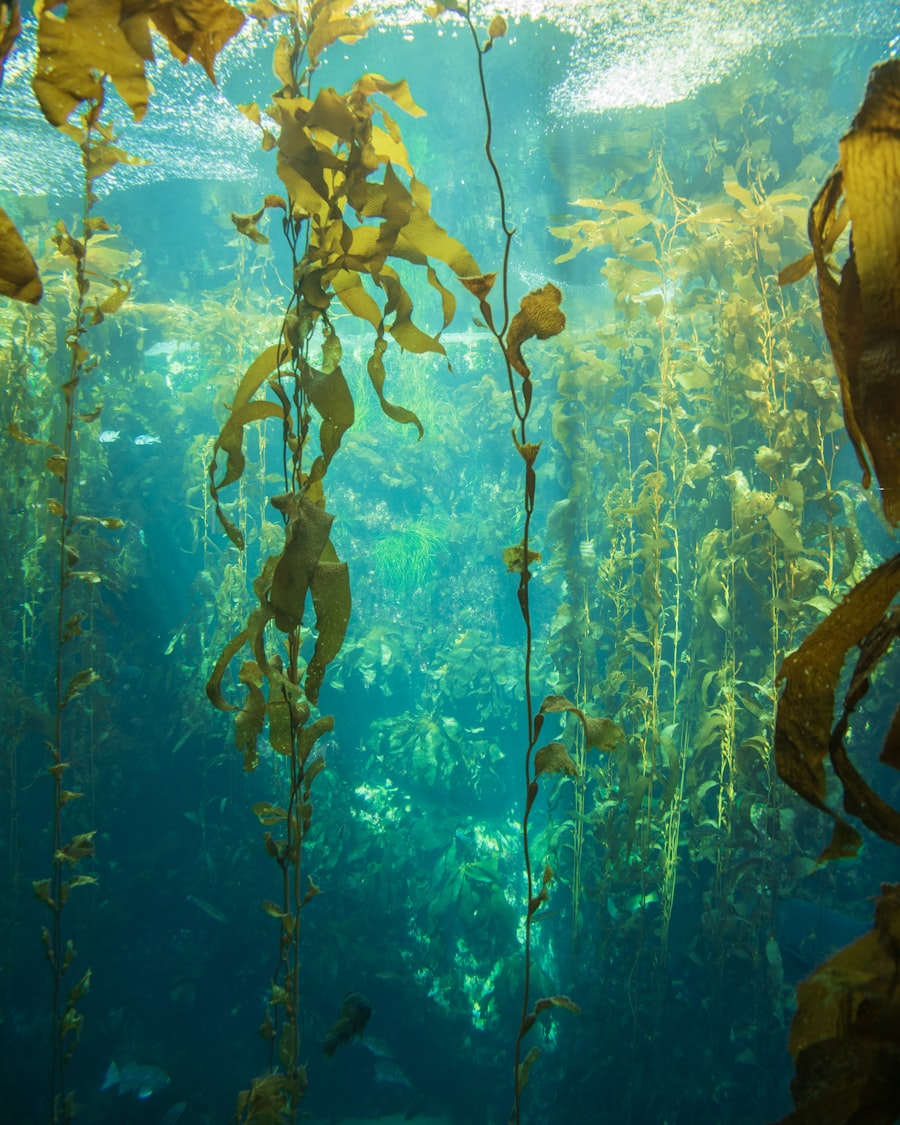
Grow the Ocean's Future
Seaweed farming is the fastest-growing sector in aquaculture. Low cost, zero freshwater, zero fertilizer — and a massive positive impact on the planet. Start your ocean farm today.
Learn How to Start
Seaweed farming is the fastest-growing sector in aquaculture. Low cost, zero freshwater, zero fertilizer — and a massive positive impact on the planet. Start your ocean farm today.
Learn How to StartWhy Seaweed?
Seaweed farming requires no land, no freshwater, and no fertilizer — yet delivers extraordinary environmental and economic returns.
Seaweed absorbs up to 20x more CO₂ per acre than forests, making it one of the most powerful tools against climate change.
Unlike traditional agriculture, seaweed grows entirely in the ocean and requires no irrigation, preserving precious freshwater resources.
Seaweed farms create vital habitats for marine life, reduce ocean acidification, and help restore degraded coastal ecosystems.
The global seaweed market is projected to reach $30B+ by 2028, driven by demand in food, cosmetics, biofuels, and agriculture.
Most seaweed species can be harvested in just 6–8 weeks, allowing multiple harvests per year and rapid return on investment.
Seaweed farming provides sustainable livelihoods for coastal communities, empowering small-scale farmers worldwide.
Getting Started
Starting a seaweed farm is simpler than you think. Here's the path from idea to your first harvest.
Identify a suitable coastal area with clean water, good current flow, and the right temperature range for your target species.
Pick from kelp, nori, wakame, or other varieties based on your climate, market demand, and farming goals.
Install longlines, nets, or raft systems. Seed your lines with spores or cuttings and deploy them in the water.
Harvest in 6–8 weeks, then dry, process, or sell fresh to food producers, cosmetics companies, or biofuel manufacturers.
Tonnes harvested yearly
Projected market by 2028
Countries farming seaweed
Average time to harvest
Join the growing community of ocean farmers building a sustainable future. We'll help you every step of the way.